Vehicle compatibility as the most important foundation
New tires must be technically compatible with your vehicle. Approved tire sizes and types are listed in your vehicle registration documents and owner's manual. The sidewall of your currently mounted tires also provides relevant information. For stable and predictable handling, it is recommended to mount identical tires on all four wheels. Tires on the same axle must always be identical.
Understanding tire markings: All specifications on the tire sidewall
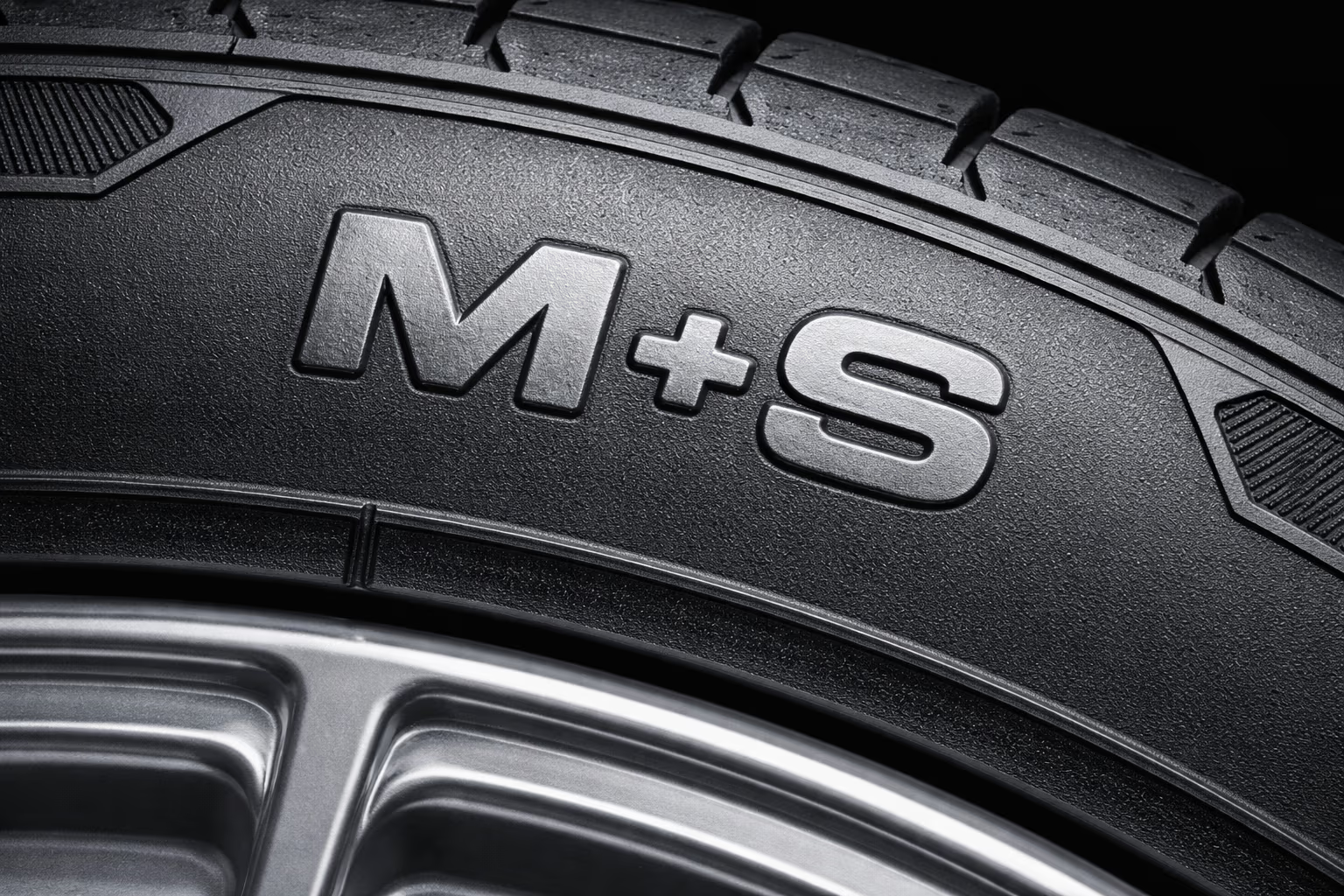
All technical data can be found on the tire sidewall. The tire size consists of tire width, aspect ratio, and rim diameter. It is complemented by the construction type, which is almost exclusively radial today. The load index and speed rating are also crucial. The load index indicates the weight a tire can carry, while the speed rating defines the maximum permissible speed. Both values must at least meet the vehicle's requirements.
Correct tire pressure is also a key issue. Manufacturer specifications for optimal air pressure are specific and should be followed. Excessive tire pressure can lead to altered handling and increased tire wear. Other markings provide information about the production date, increased load capacity, or original equipment approval.
Choosing the right tires based on driving style and usage
Beyond mandatory technical specifications, individual requirements play a major role. Comfort-oriented drivers often choose quiet tires with optimized noise insulation. These offer a smooth ride but may wear out faster depending on the compound. If you want to save fuel, look for tires with low rolling resistance, as they can noticeably reduce consumption.
For driving on gravel, forest paths, or off-road, robust all-terrain or specialized off-road tires are suitable. They offer more traction and better sidewall protection. Regardless of the tire type chosen, every new tire changes handling characteristics. A short adjustment period is therefore advisable.
Summer tires, winter tires, or all-season tires?
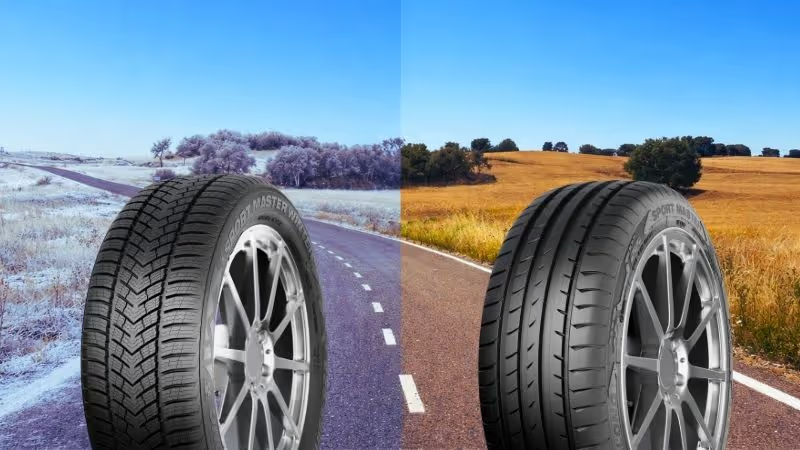
The choice of tire type depends heavily on the climate and legal requirements. In regions with distinct seasons, the seasonal switch between summer and winter tires is often the best solution.
- Winter tires are designed for low temperatures, remain flexible in the cold, and offer better traction and shorter braking distances on snow and ice due to their tread pattern.
- Summer tires show their strengths in warm temperatures. They provide high grip, precise handling, and short braking distances on dry roads. They also deliver reliable adhesion in wet conditions.
- All-season tires are a compromise and are primarily suitable for areas with mild climates and rare extreme weather conditions.

Where can you buy suitable tires?
New vehicles are delivered from the factory with so-called original equipment tires. These tires are precisely tuned to the specific vehicle model and meet manufacturer requirements after extensive testing. For many drivers, this is the simplest and safest choice. However, if you want to buy new tires or switch to a different model, you should seek advice from a specialist dealer. This ensures that the tires are an optimal match for your vehicle, driving profile, and operating conditions.