Tire Knowledge
The best tips for your car tires.
Practical tips for tire care, safety, and selection – so you can enjoy your tires for longer.
Our latest tip

Buying tires: What really matters when choosing new tires
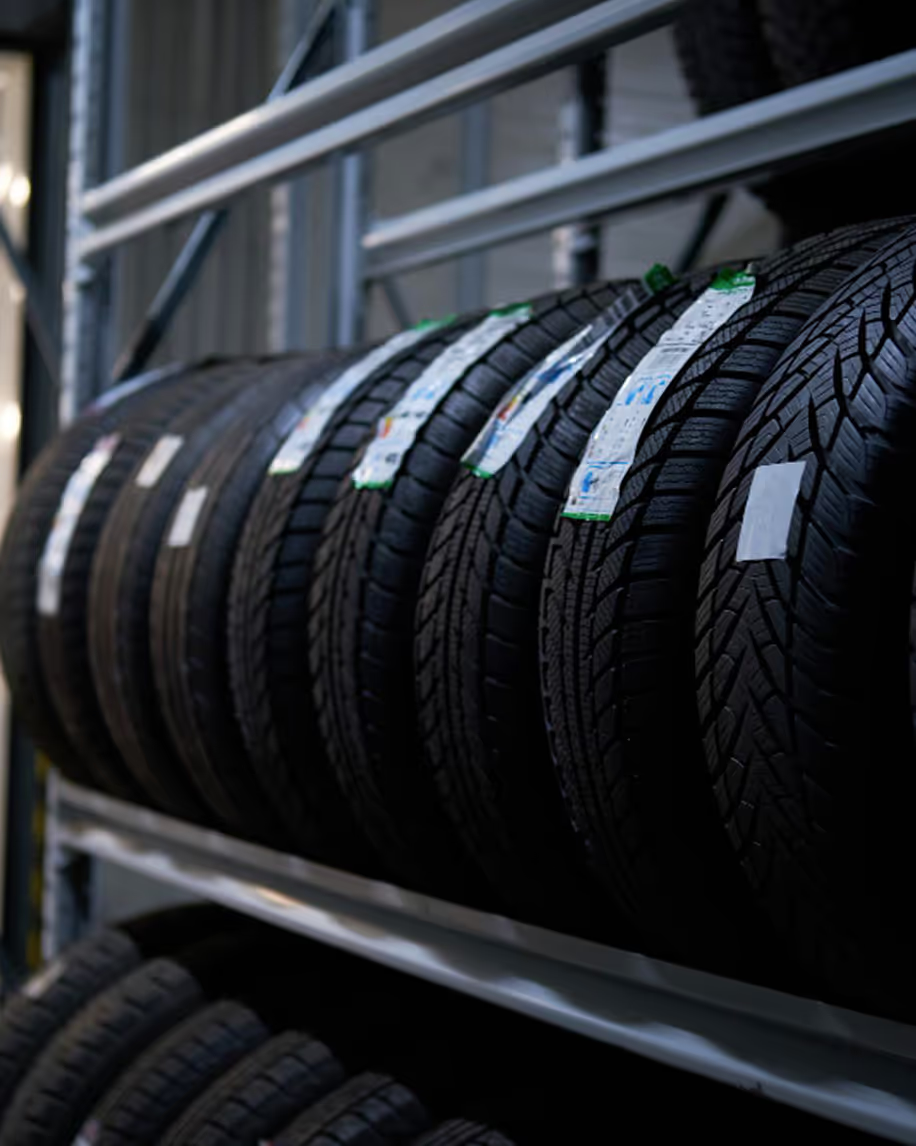
Buying new tires significantly impacts a vehicle's safety, handling, and efficiency. Tires maintain contact with the road and determine how precisely a car steers, brakes, or accelerates. When buying tires, several factors should be considered: in addition to manufacturer specifications, personal driving style, budget, and regional weather conditions are key decision-making criteria.
Filter by category
This is why the seasonal tire change is important
Summer tires in winter: Driving on summer tires during winter poses a major safety risk and is not recommended. When temperatures consistently drop into the low single digits, summer tires lose significant grip. Frost, snow, or ice further exacerbate the problem. Changing from summer to winter tires in a timely manner is therefore crucial for driving safety, braking distance, and vehicle control. Summer tires are designed for warm weather and quickly reach their physical limits in winter road conditions.
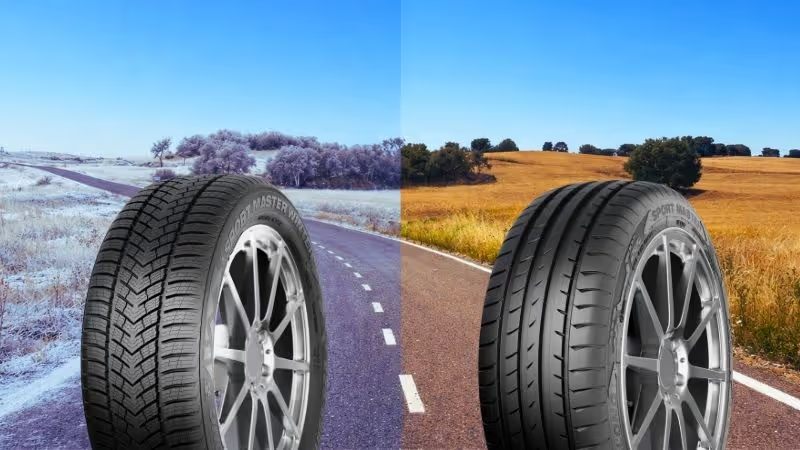
Comparing summer and winter tires
Tires and their condition are among a vehicle's most critical safety factors. They directly influence grip, braking distance, and driving stability. Since weather and road conditions change significantly throughout the year, your tires must be suited to them. While winter tires are mandatory in many countries under certain conditions, choosing the right tire is essential for driving safety regardless of legal requirements.

Buying winter tires – safety and control in winter road conditions
Winter tires are a smart investment for the cold season. Specifically designed for low temperatures, snow, slush, and wet roads, they play a crucial role in driving safety. Buying winter tires ensures better traction, shorter braking distances, and more stable handling in winter. Compared to summer tires, winter tires feature a significantly deeper tread and numerous sipes. These interlock optimally with snow and slush, ensuring that contact with the road is maintained.
Winter tire requirements in Germany and Europe: What drivers need to know
Winter tire requirements apply to every driver. As soon as temperatures drop and winter road conditions set in, having the right tires is crucial for road safety and insurance coverage. Those who switch too late or use unsuitable tires risk fines and an increased risk of accidents.

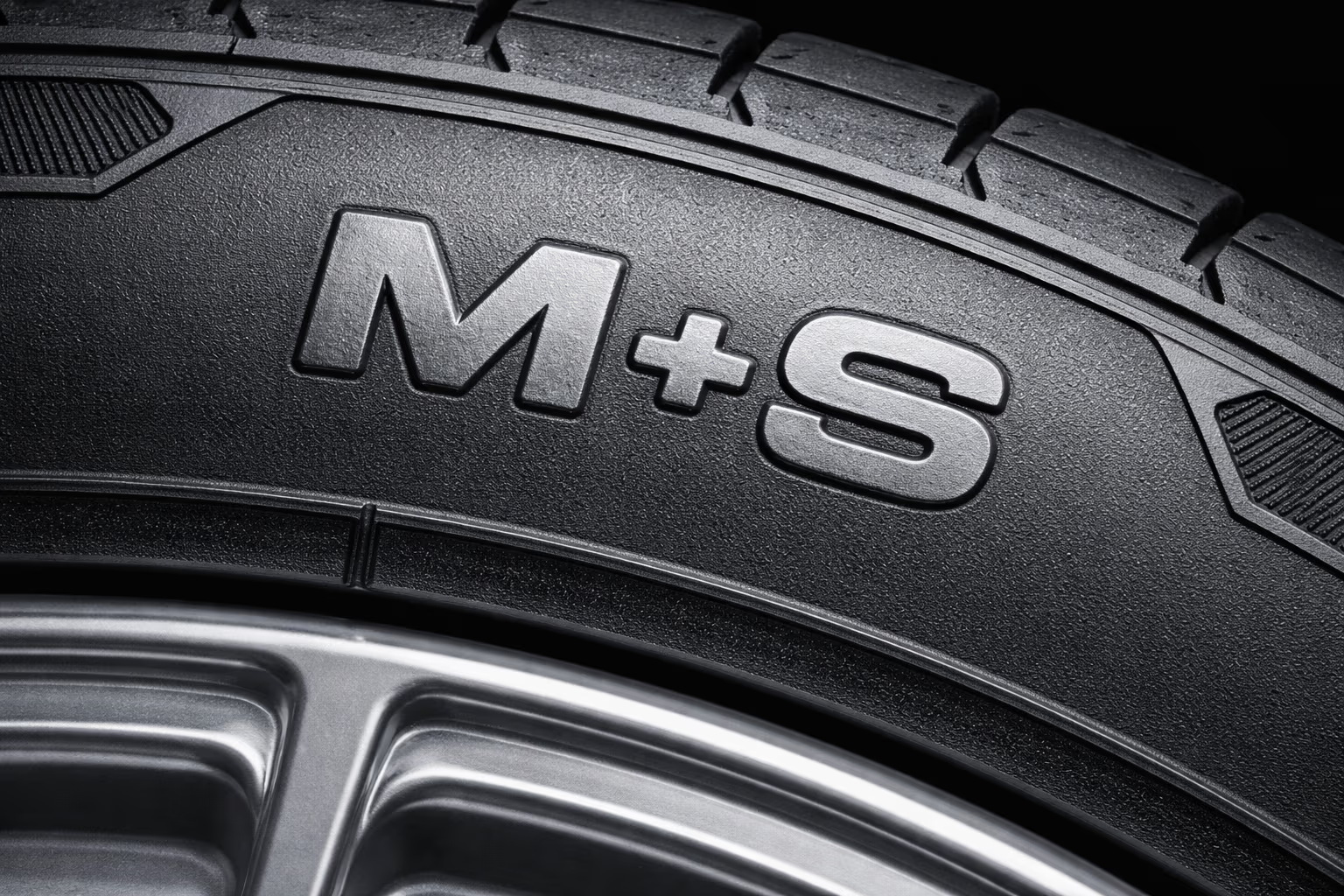
Understanding tire markings
If you take a look at the sidewall of a tire, you will see a dense sequence of numbers and letters. These markings are much more than just type specifications. They provide precise information about size, construction, load capacity, and permissible speed. For drivers, they are particularly relevant when a tire change is due. Understanding these details ensures that the new tire is technically compatible and offers the required safety and desired performance.

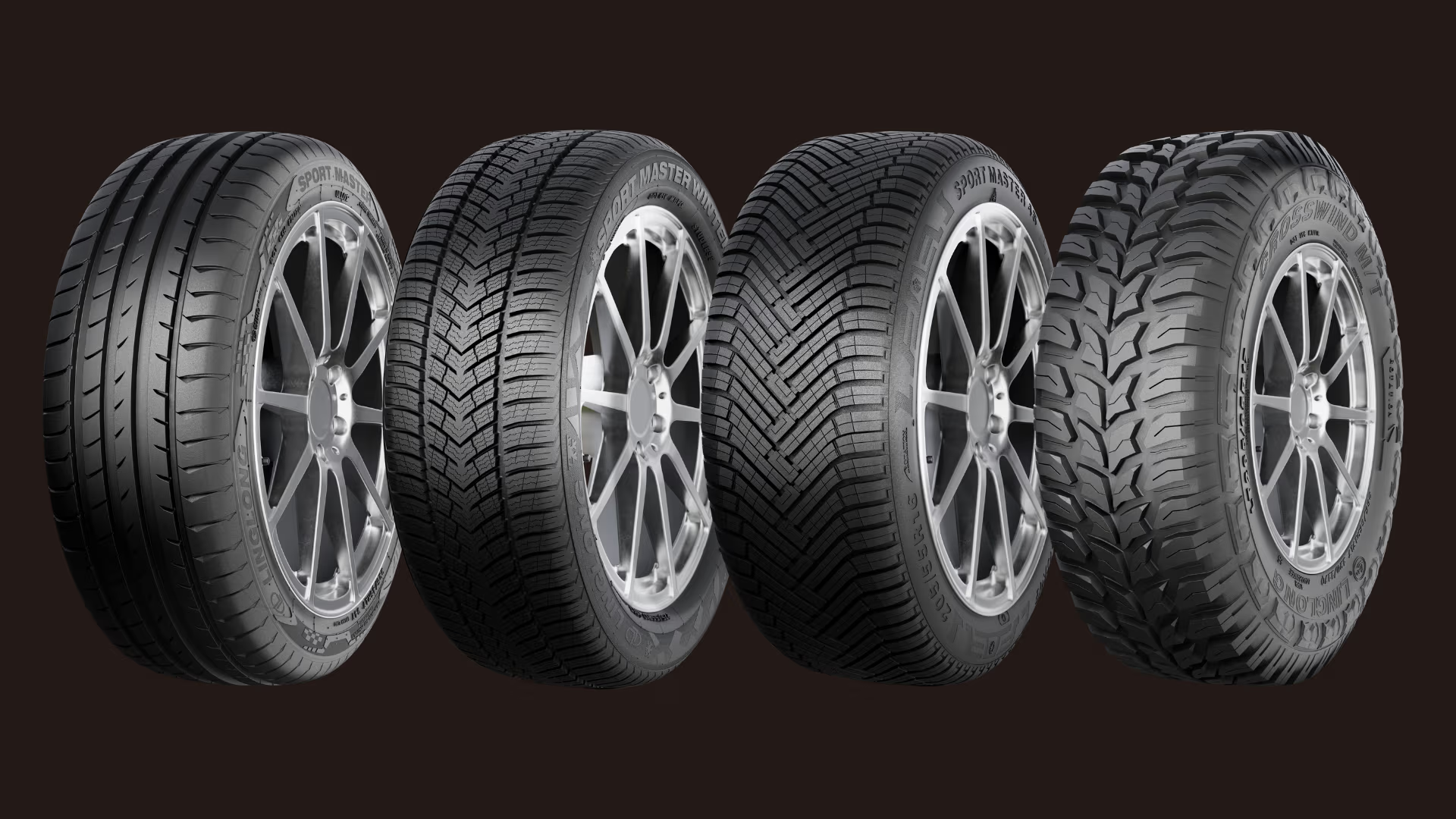
Overview of Tire Types – Find the Right Tire for Your Vehicle
Choosing the right tires is a crucial factor for safety, driving comfort, and efficiency. Modern car tires are sophisticated technical products whose performance largely depends on the rubber compound, tread design, and intended use. Depending on the season, driving style, and road surface, different types of tires with specific characteristics are available.
Changing tires: The comprehensive guide to a safe wheel change
Changing your tires is a key aspect of road safety and a standard part of vehicle maintenance. Whether you use summer, winter, or all-season tires, the timing and condition of your tires directly impact braking distance, handling, and comfort. Regularly checking your tires and changing them when necessary reduces the risk of accidents and helps you avoid unnecessary costs.

Overview of All-Season Tires – Advantages, Use, and Buying Guide
All-season tires offer many drivers a practical alternative to conventional summer and winter tires. They promise lower costs, less organizational effort, and enable year-round mobility without seasonal tire changes. However, how well all-weather tires are suited depends significantly on the individual driving profile, vehicle type, and regional climatic conditions. Thorough information before purchase and an understanding of their limitations help ensure safe driving with all-season tires.

Driving in snow: Essential winter driving tips
Winter road conditions present drivers with unique challenges every year. Snow, ice, and low temperatures reduce traction, increase braking distances, and significantly raise the risk of accidents. When driving in snow, you should adjust your driving style and prepare your vehicle specifically for winter. With the right measures, many dangerous situations can be avoided, and road safety can be significantly improved during the winter months.