Always install winter tires on all four wheels
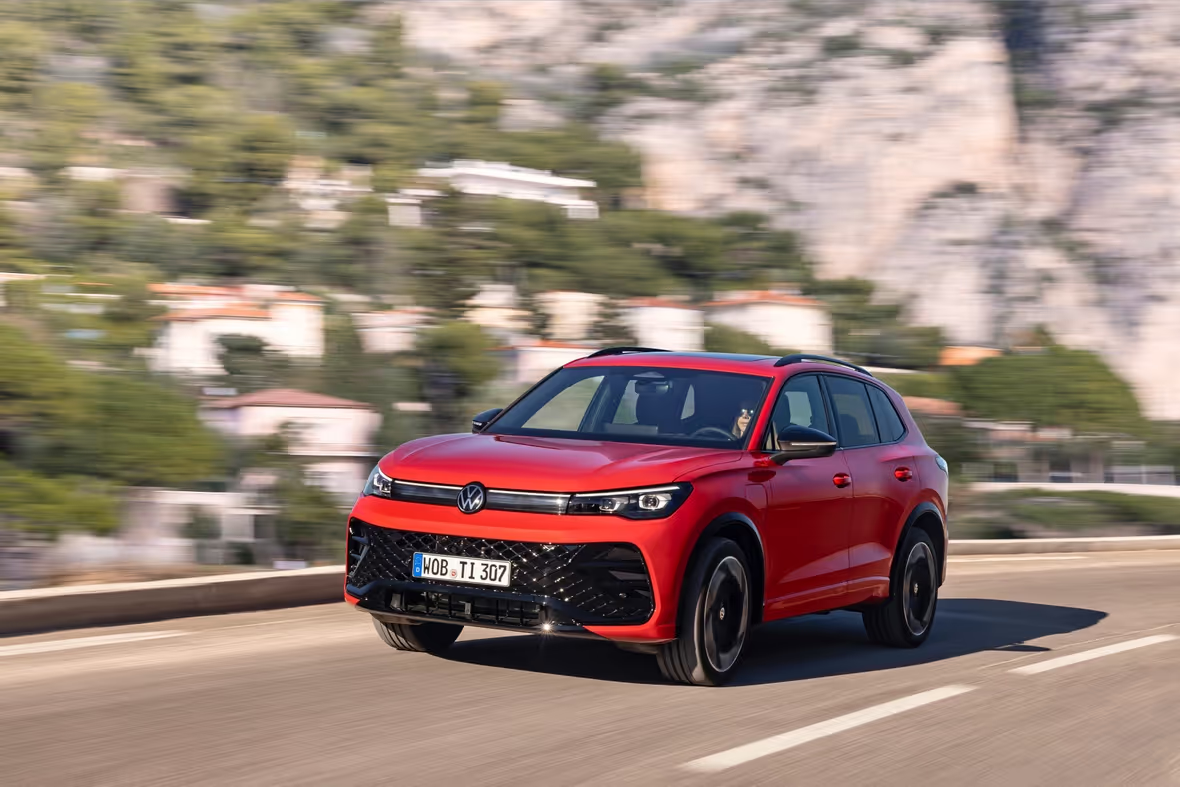
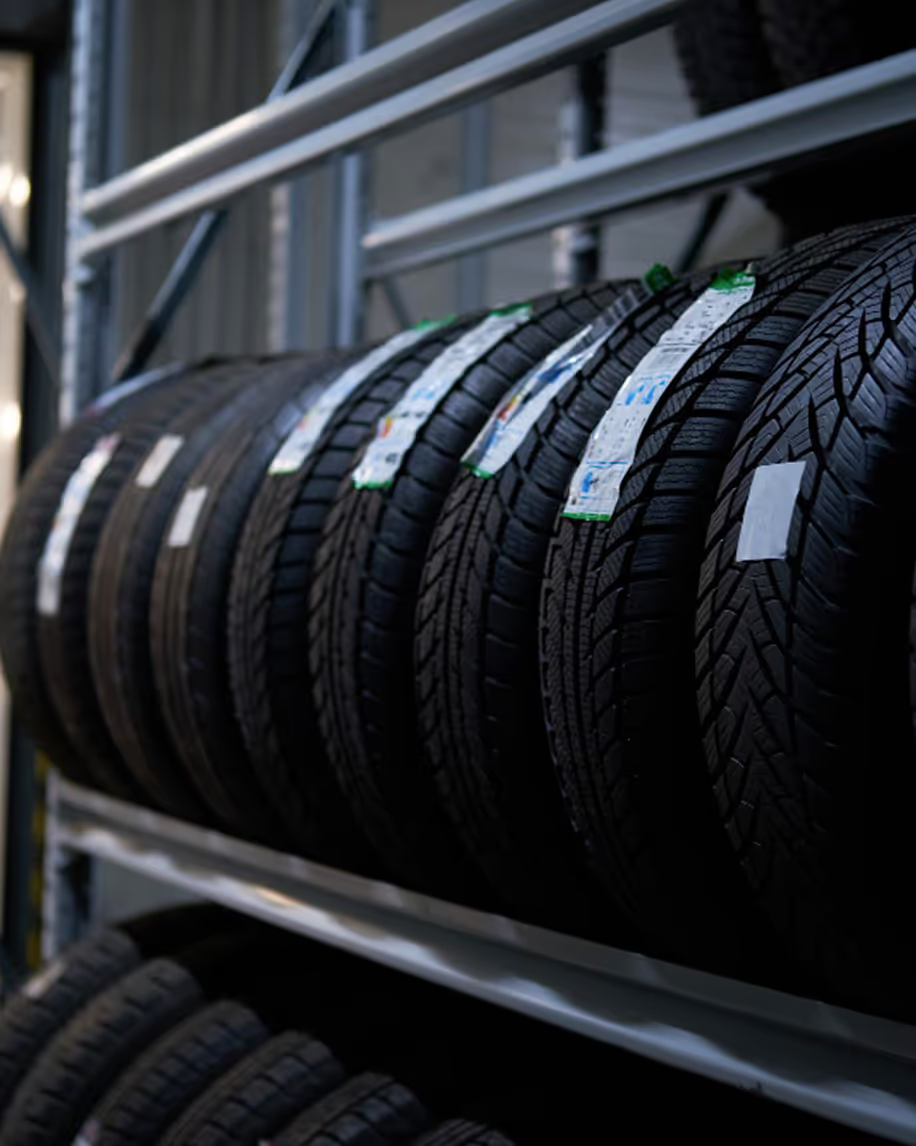
Winter tires should always be installed as a complete set. Using different tire types on the front and rear axles can negatively affect handling and increase the risk of losing traction. This leads to unstable handling and longer braking distances, especially on slippery roads. Therefore, summer and winter tires should not be mixed on passenger cars.
Why winter tires are clearly superior in cold weather
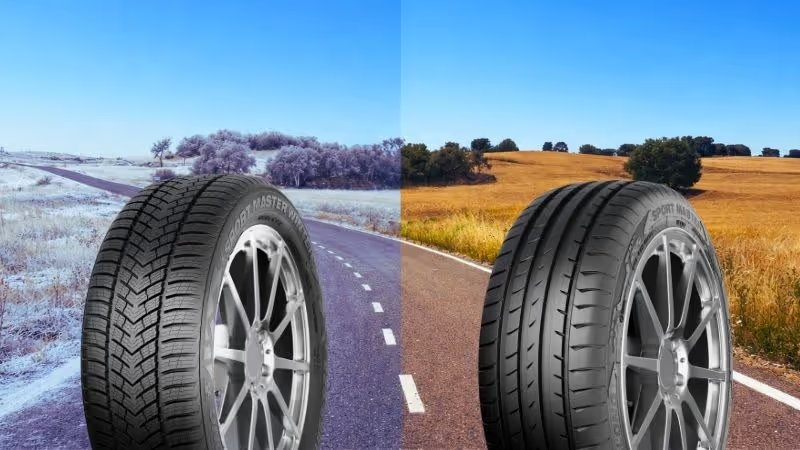
The performance of a winter tire is based on three key features: tread design, sipe structure, and rubber compound. Dropping temperatures place high demands on tires, especially when braking and accelerating.
The special winter tread captures snow in its wider grooves as the tire rolls, creating additional grip. The sipes allow the tread blocks to deform and bite deeper into the surface. This significantly improves traction on snow and wet roads.
Another decisive factor is the tire compound. Winter tires contain a higher proportion of natural rubber and remain flexible even at low temperatures. Summer tires, by contrast, harden in the cold, leading to a noticeable loss of grip and control.
Identifying winter tires – these symbols are crucial
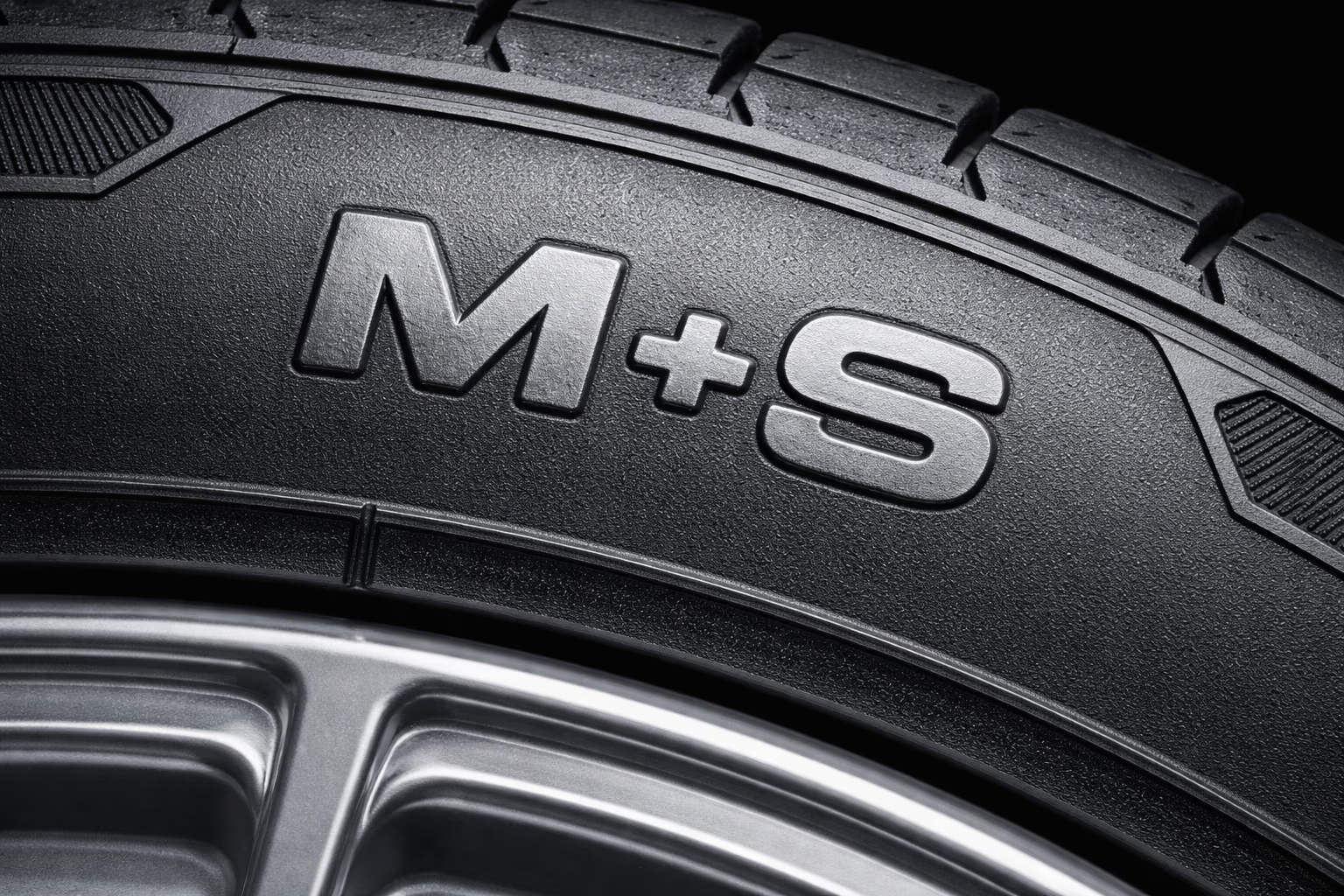
Winter tires can be clearly identified by the markings on the sidewall. The M+S symbol and the snowflake symbol, also known as 3PMSF, are relevant.
Until autumn 2024, the M+S symbol was sufficient as a winter designation. However, since October 1, 2024, the snowflake symbol has been legally required for winter and all-season tires. Tires without this symbol are not considered winter-ready. An all-season tire without a snowflake symbol may not be used in winter.
M+S symbol – what it means
M+S stands for Mud and Snow. Tires with this marking feature a tread or construction that provides better driving characteristics in mud and snow than conventional summer tires. This primarily affects starting and stability on slippery roads.
Snowflake symbol – tested winter suitability
The snowflake symbol is subject to much stricter requirements. It is only awarded if the tire has passed standardized tests. These tests are defined in UNECE regulations as well as in US and Canadian standards. Tires with the snowflake symbol offer proven higher safety, better control, and reliable performance in snow, ice, and low temperatures.
Consider tire pressure and size in winter
The recommended tire pressure for winter tires is generally the same as for summer tires. The corresponding information can be found in the vehicle manual, on the driver's side door frame, or near the fuel filler cap.
In winter, however, it is important to note that cold temperatures affect air pressure. If the outside temperature drops by ten degrees, tire pressure decreases by about one PSI. Therefore, air pressure should be checked regularly.
Checking every two to four weeks is recommended. Low tire pressure increases fuel consumption, accelerates tire wear, and can lead to tire failure in extreme cases.