Regional weather conditions are the deciding factor when choosing the right tires. In areas with mild winters and only occasional freezing temperatures, all-season tires can be a sensible alternative. However, they are only suitable to a limited extent in areas with regular frost, snow, or ice. In such cases, winter tires are the clear recommendation. Summer tires should generally not be used in winter road conditions.
Loss of traction and reduced driving stability
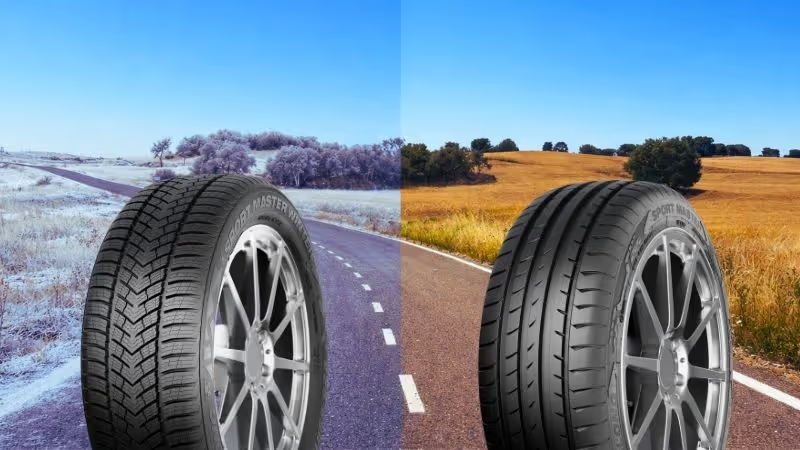
Summer tires are characterized by low rolling resistance, low noise levels, and good handling at high temperatures. These properties have a negative effect in winter. On snow and ice, they lack traction, making it difficult to start moving and significantly increasing braking distances. In a direct comparison, summer tires are no match for winter tires on wintry roads.
Winter tires feature a deep tread with sipes that interlock with snow and ice. The special rubber compound remains flexible even in the cold, ensuring better grip and shorter braking distances. Summer tires harden at low temperatures, causing grip to drop noticeably even on dry winter roads, making handling unpredictable.
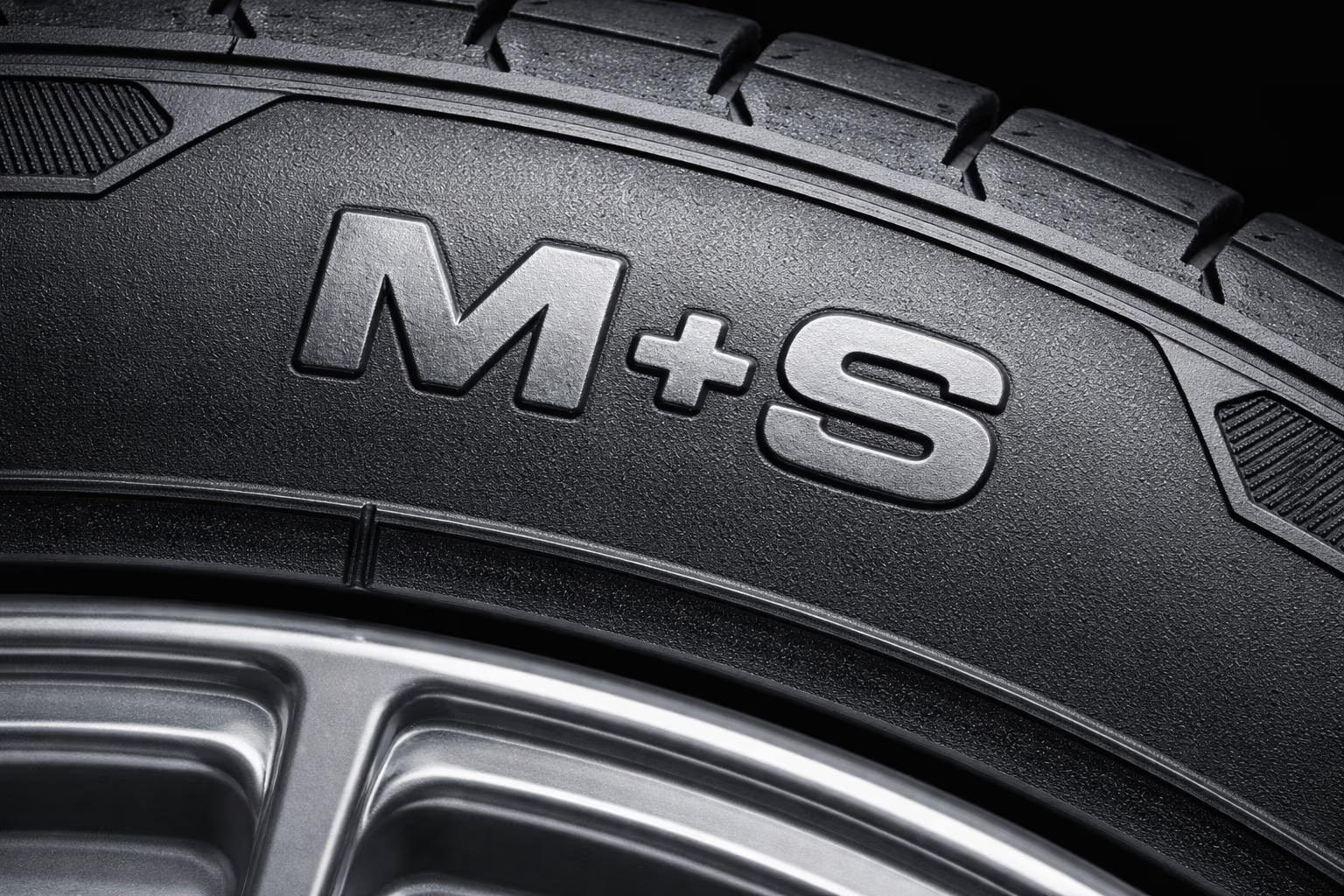
All-season tires combine the characteristics of summer and winter tires. Their sipe-like tread allows for acceptable performance in cold weather and light snow. However, they are a compromise and do not reach the safety level of a dedicated winter tire in challenging winter conditions.
Increased tire damage due to low temperatures
Cold temperatures also take a heavy toll on summer tires, regardless of snow. The rubber loses its elasticity, becomes brittle, and is prone to cracks or damage to the tread blocks. The risk of tire damage increases significantly. Stiff or brittle tires are no longer considered roadworthy and must be replaced. A delayed tire change can therefore not only compromise safety but also lead to additional costs.
All-season tires as an option for mild winter climates
All-season tires are not designed for extreme winter conditions but can be a practical solution in moderate climates. They offer balanced handling and reliable braking performance on dry and wet roads while reducing the effort of seasonal tire changes. When looking for the right tires, you should realistically assess your driving profile, region, and weather to optimally combine safety and cost-efficiency.