Advantages and Disadvantages of All-Season Tires
The main advantage of all-season tires lies in their versatility for everyday use. They offer solid performance on wet roads, reliably handle mild temperatures, and save costs for a second set of tires, as well as for storage and seasonal changes. For low-mileage drivers, city traffic, and short commutes, all-weather tires are often an economically sensible choice.
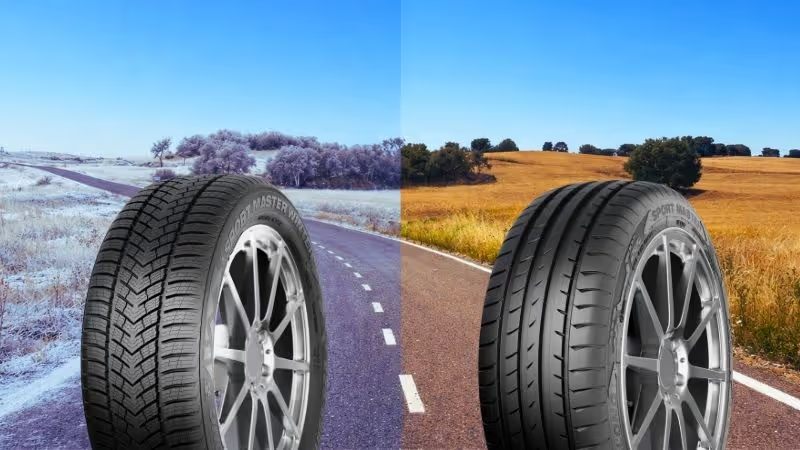
In direct comparison, summer tires perform better at high temperatures and on dry roads with shorter braking distances, while winter tires offer clear advantages in snow, ice, and very low temperatures. All-season tires do not reach the level of specialized tires in such extreme situations and are therefore primarily suitable for regions with a moderate climate.
Decision Guide: Who are All-Weather Tires For?
All-season tires particularly show their strengths when the vehicle is primarily used in urban environments and the annual mileage remains manageable. Those who can be flexible and leave their vehicle parked during extreme weather conditions particularly benefit from this solution. For frequent drivers, highway commuters, or people in snowy regions, seasonal tires are usually the better choice.
Buying Guide for All-Season Tires
When buying all-season tires, professional advice from a specialist dealer is recommended. Factors such as tire size, vehicle weight, and intended use determine which model offers balanced driving characteristics. Modern all-weather tires now achieve a high level of performance. The Alpine symbol with a snowflake is also important, as the former M+S marking has not been sufficient since September 2024. Purchasing in autumn offers the advantage of starting the winter season with full tread depth.
Mileage and wear
The lifespan of all-season tires depends heavily on driving style and operating conditions. Frequent highway driving, high speeds, and heavy loads lead to increased wear. Compared to seasonal tires, all-weather tires wear more evenly throughout the year but usually do not achieve the high mileage of specialized summer tires.
Maintenance and inspection of all-season tires
Since seasonal workshop visits are eliminated, regular self-inspection is particularly important. Check tire pressure at least once a month and adjust it to the load and outside temperature. The legally required minimum tread depth is 1.6 millimeters, but higher values are recommended for more safety in wet conditions and in winter. Additionally, you should regularly check your tires for damage and ensure that the wheels are securely fastened.
All-Season Tires and Driving Abroad
When driving abroad, different legal regulations sometimes apply to all-season tires. These concern both the winter tire requirement and the minimum tread depth. In countries like Italy, regulations even vary depending on the region and road. Before every trip abroad, you should check which tires are permitted. For trips to alpine regions or ski resorts, classic winter tires remain the safest choice, regardless of the legal situation. Additionally, snow chains are mandatory on some routes abroad.
Conclusion
All-season tires can be a comfortable and cost-effective solution if the area of use, mileage, and climate are suitable for them. Those who primarily cover short distances, mainly drive in city traffic, and can react flexibly to extreme weather conditions will certainly benefit from using high-quality all-weather tires.