When do winter tire requirements apply?
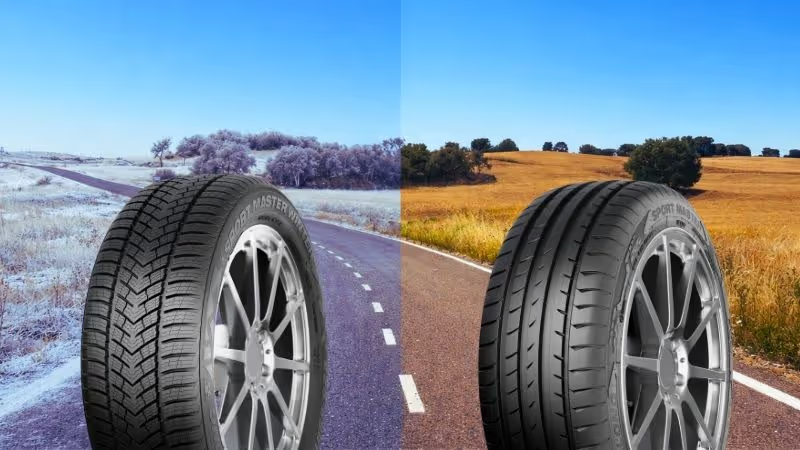
In Germany, winter tire requirements are situational. This means that in snow, ice, slush, or frost, vehicles may only be driven with winter tires or all-season tires featuring the snowflake symbol. Regardless of this, the rule of thumb from October to Easter has become established, as winter conditions are typically expected during this period.
Many European countries have stricter regulations. In those places, winter tires are legally required, often for clearly defined periods. If you are driving abroad, you should check the specific winter tire requirements for your destination before you set off.
Situational winter tire requirements: What does that mean in practice?
The situational regulation requires drivers to adapt their tires to the weather conditions. It is not the calendar that matters, but the state of the road. Summer tires are prohibited in winter conditions. Only winter tires or all-weather tires with valid certification are permitted. Beyond your own safety, the legal aspect also plays a role, as using the wrong tires can lead to fines, penalty points, and potential restrictions on insurance coverage in the event of an accident.
Identifying winter tires: The snowflake symbol and 3PMSF
Since October 1, 2024, only the snowflake symbol is recognized in Germany. Tires without this mark are no longer considered suitable for winter. The old M+S marking is no longer sufficient, as it is not subject to mandatory testing.
Tires with the Three-Peak Mountain Snowflake (3PMSF) symbol meet clearly defined requirements. They must demonstrate significantly better traction on snow than reference tires in standardized tests. Only these tires are legally considered approved winter tires.

Tread depth, tire pressure, and other requirements
Beyond the markings, other factors are crucial for winter safety. The legally required tread depth varies by country. While 1.6 millimeters is sometimes permitted, many experts recommend at least 4 millimeters, as grip and braking performance decrease significantly as the tread wears down.
Correct tire pressure is also important. Pressure that is too low or too high impairs traction, braking behavior, and driving stability on snow and wet surfaces. Regular checks increase safety and improve tire performance.
Maximum tire age: How long can winter tires be used?
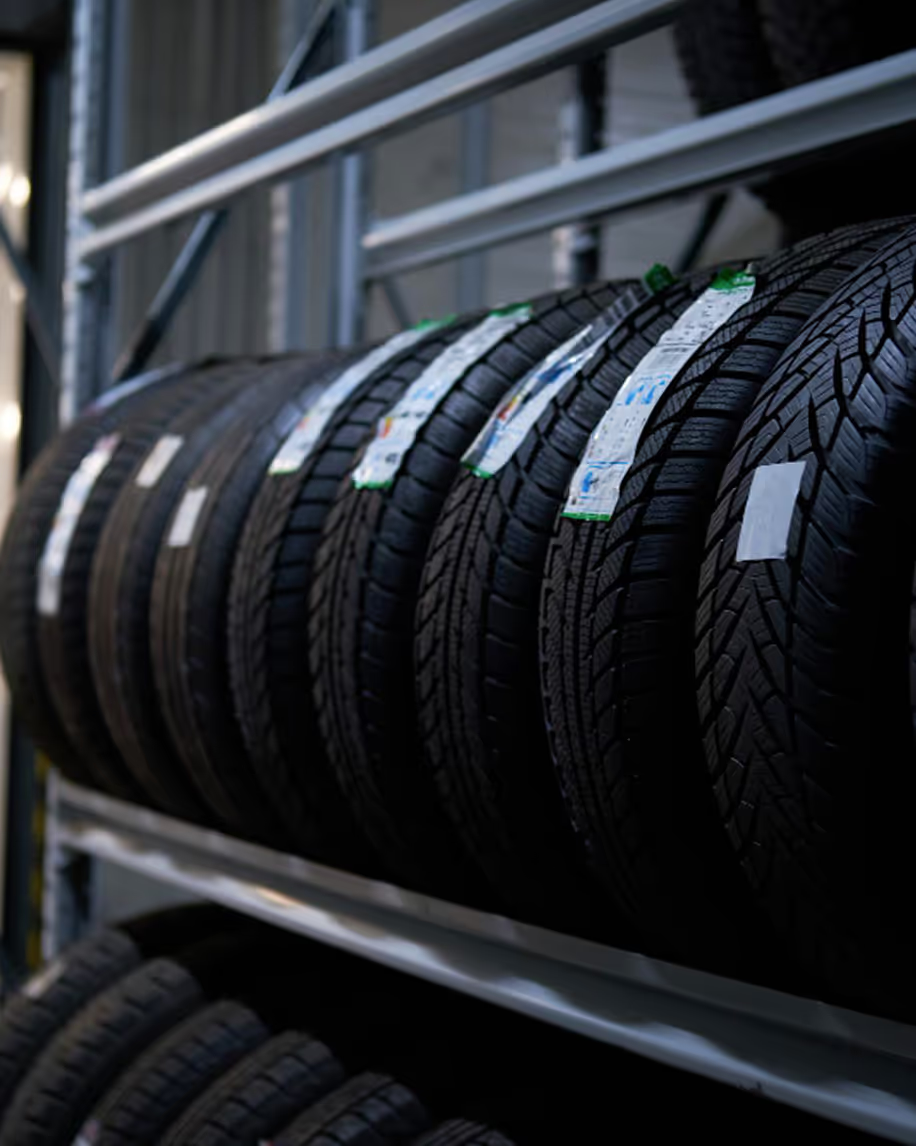
Due to their softer rubber compound, winter tires age faster than summer tires. High temperatures, improper storage, and mechanical stress accelerate wear. Regardless of tread depth, winter tires should not be used for longer than ten years.
Cracks, deformation, or reduced grip are clear signs that a replacement is necessary. Proper storage in a cool, dry, and dark place can extend their lifespan, but it does not replace the need for a timely tire change.
Conclusion
Change in time and stay safe on the road
Taking winter tire requirements seriously protects you and other road users. Switching to approved winter tires in time, ensuring sufficient tread depth, and maintaining correct tire pressure are key factors for safe winter driving. At the same time, drivers avoid legal consequences and remain mobile even in winter conditions.