Winter tires are essential for driving in snow
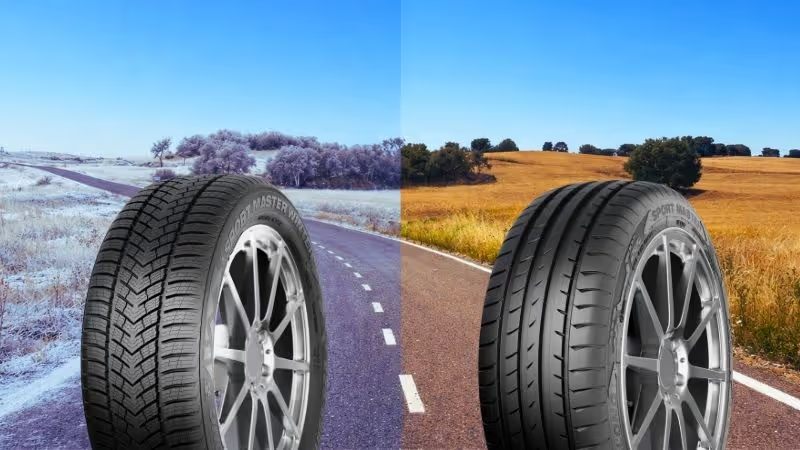
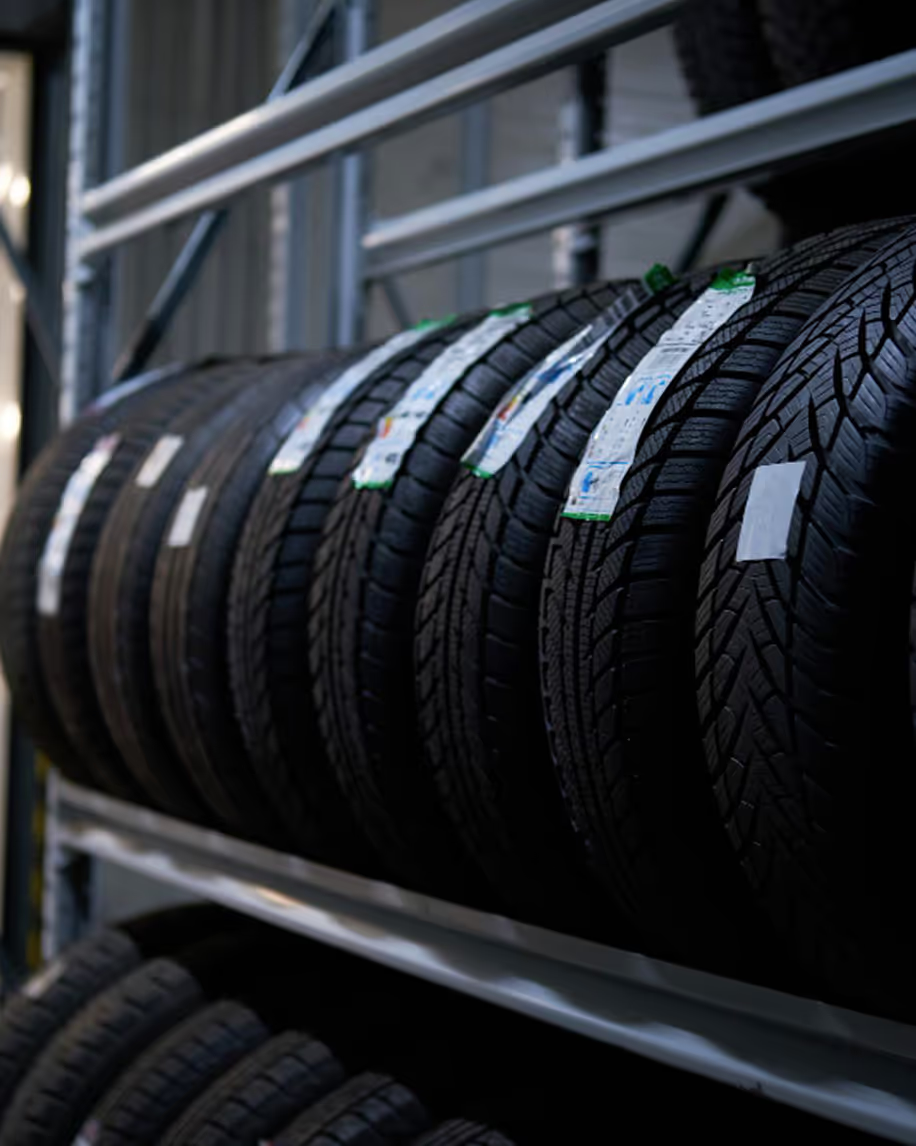
When driving in winter, suitable tires are the most important safety factor. Thanks to their special rubber compound and adapted tread, winter tires provide better grip on snow-covered and icy roads. The legally permitted minimum tread depth of 1.6 millimeters is merely a lower limit and offers only limited safety in snow and wet conditions. To function optimally, a winter tire should have a tread depth of at least four millimeters. As wear increases, braking distances lengthen and the risk of hydroplaning rises significantly. Correct tire pressure is equally important, as it affects handling, stability, and fuel consumption.
In Germany, there is a situational winter tire requirement. This means the actual road conditions and the weather are relevant: if there is snow, slush, or black ice, winter tires are mandatory. All approved tires are marked with the snowflake symbol inside a mountain pictogram.
Preparing your car for winter
Good preparation is crucial for safe driving in snow. Before setting off, drivers should check their planned route and stay informed about weather and traffic conditions. Main roads are usually better cleared and gritted in winter. Additionally, the vehicle must be completely cleared of snow and ice, including the roof, windows, mirrors, and lights. Snow on the car can slide off while driving and endanger other road users. The windshield washer system should be filled with antifreeze; clear visibility is a prerequisite for safe winter driving. A full tank, a charged mobile phone, and an emergency kit containing a high-visibility vest, warning triangle, first-aid supplies, and warm clothing increase safety in the event of a breakdown. Non-slip, dry shoes also prevent your feet from slipping off the pedals due to snow on your soles.
Proper driving behavior on snow and ice
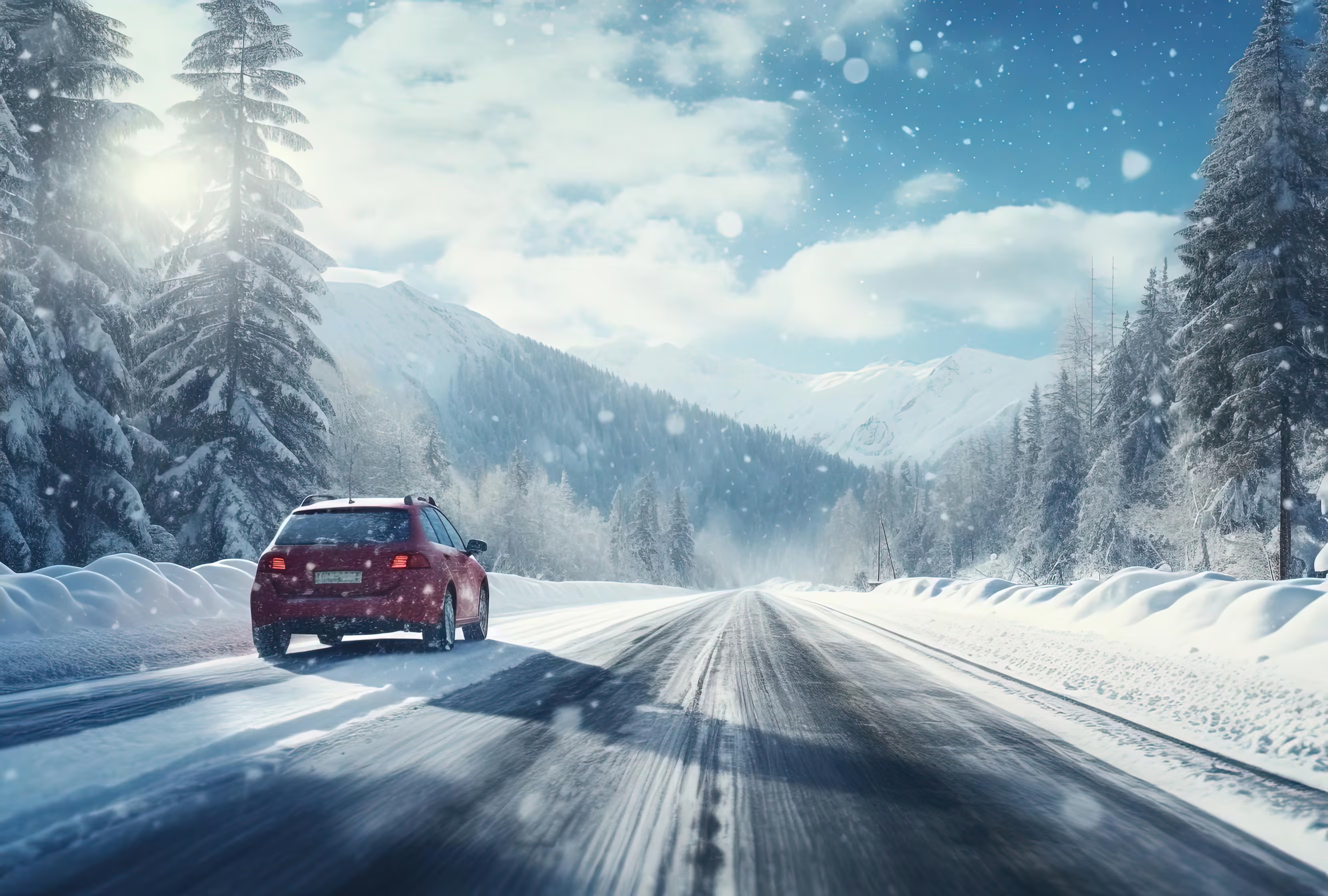
When driving on snow-covered or icy roads, there is one clear rule: drive slowly, look ahead, and be consistent. Gentle acceleration at low engine speeds and shifting up early reduce the risk of wheel spin. Starting in second gear can provide additional stability. The safety distance should be significantly greater than on dry roads, as braking distances increase considerably on snow and ice. Uphill, a constant speed is important; downhill, a lower gear is recommended to use engine braking. In curves, you should brake before turning, not during. If the vehicle starts to skid, stay calm, take your foot off the gas, and steer in the desired direction of travel. In poor visibility, low-beam headlights are mandatory even during the day; fog lights may only be used when visibility is severely restricted. On uncleared roads, fresh snow often offers more grip than packed tracks.
By following these winter driving tips, you significantly increase safety when driving in snow and ensure you reach your destination in a controlled and safe manner, even in difficult road conditions.